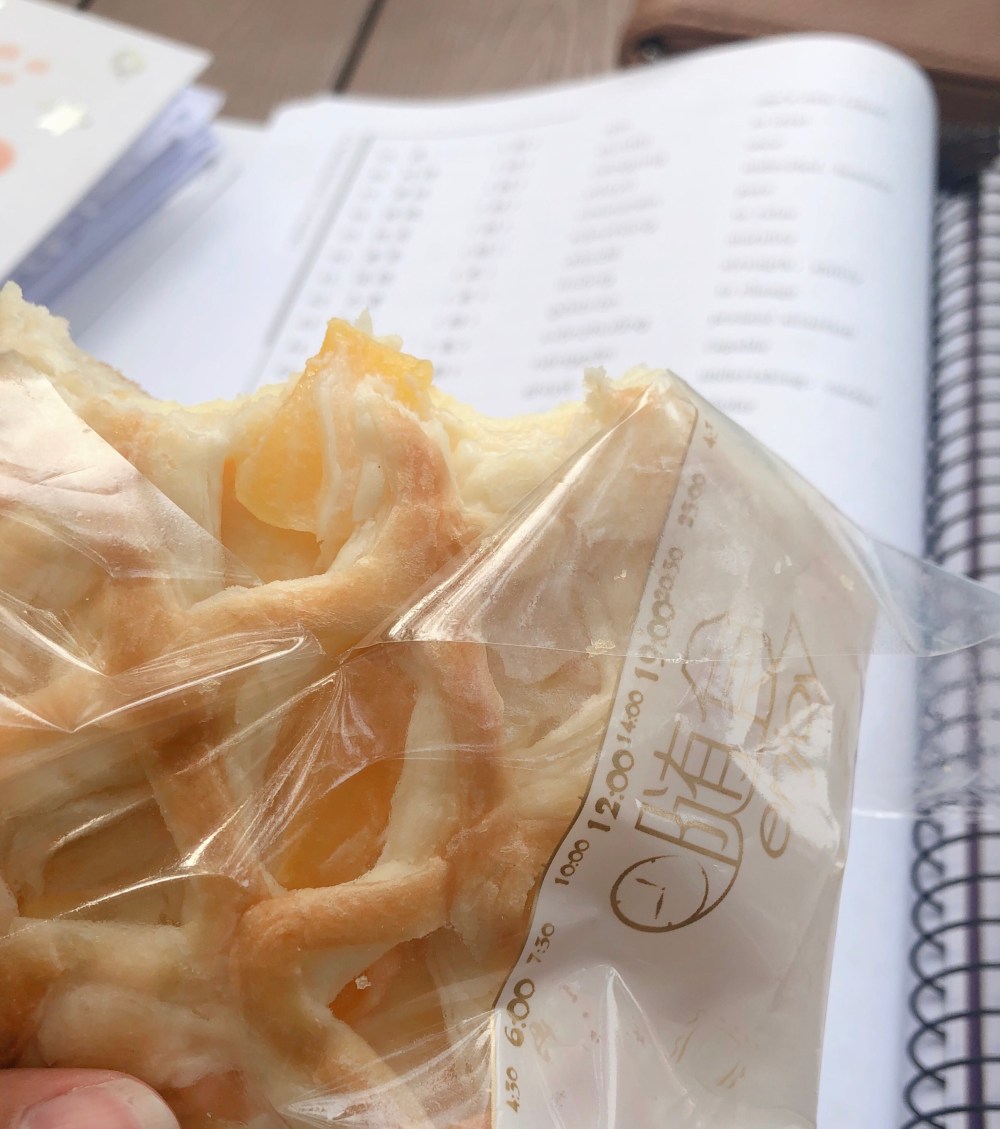
I’m glad to say I’ve made it through my first week of classes at CNU! There were times I honestly didn’t think I could do it but having made it to the end of this week is motivation for the following ones. Every day for me looks pretty similar: wake up between 6:00-7:00am, eat breakfast (I’ve admittedly taken an intense liking to Chinese sweet bread as “breakfast”) and study for my daily test, go to our classroom building around 8:20 am to continue preparing and put myself in the right mindset, then have class until the 4:00 pm with a break for lunch around noon. After class, I get started on my homework assignments, and begin preparing for the next day’s test. The part I look forward to every night is dinner, since it’s always different. Sometimes I go with classmates to a restaurant on campus and stutter my way through an order (and accidentally order chicken feet on a stick—yes, I did this)— but sometimes my roommate and I just grab dinner at the cafeteria.
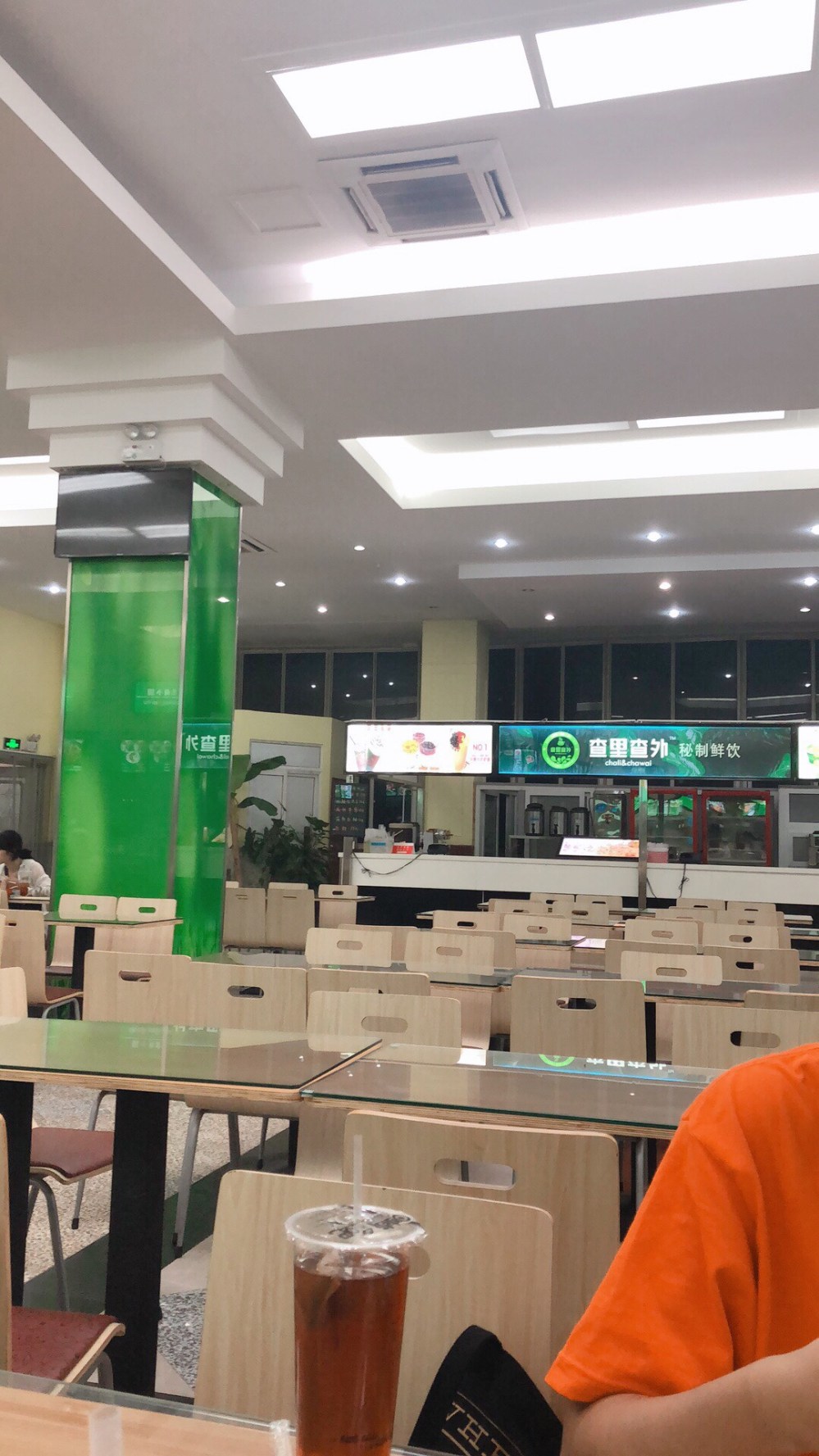
I love eating at the cafeteria because I’ve tried so many new things there. I prefer eating on the third floor of our cafeteria, as I think the food there is the best, as it’s all made to order. However, this means that this cafeteria specifically has a number of “restaurants” to order from that make and specialize in different things (e.g., the 北京烤鸭 Peking Duck restaurant that, of course, serves and specializes in Peking duck). They have small menus, all in Chinese of course, so each day I usually pick a meal at random or order whatever I can read and know how to say.
Every time my roommate and I go, she always grabs another bowl and spoon to share some of her meal with me. The two of us together can never finish one meal, so we like to share some of each others’ instead. Her choice of food is always different from what I naturally gravitate towards, so it’s great to try things I might not be inclined to try, like 腊肉炒饭 (cured meat fried rice) or 粥 (congee/porridge). She’s also turned me onto what seems to be a popular Chinese practice, which is drinking the warm broth of whatever food you’re eating (e.g., noodle broth, rice broth, duck broth). It makes a tasty replacement for the plain hot water you usually find at Chinese restaurants!
My roommate and I had a great time together this past week. We’ve spent a lot more time getting to know each other, much thanks to our “roommate homework” that we’re assigned every week. We’re often assigned a few abstract questions to discuss regarding (usually Chinese, sometimes broadly global) social issues. Last week we discussed: “What is love?”, “Do you want kids? Do you want to get married?”, “What are the main reasons people have issues in their marriage?”, and the like. Using the vocabulary I’ve learned these past few days, we were able to discuss our viewpoints on these topics. It was so interesting to hear her opinion on these things, as we found that we shared the same opinion or could understand one another’s point of view. For my roommate, Kefei, her way of approaching these issues is very unique in China, as she explained to me that many 年轻人(nian qing ren), young people, still think very traditionally and will follow the rules and norms of Chinese marriage (e.g., having traditional/narrow requirements or wants for their partner they are seeking; marrying then having kids in that specific order; etc.). For Kefei, she will also follow some of these norms because it would ultimately affect her life and the life of her children due to the structure of Chinese society, but she is open to not having kids and not being married.
We then discussed the interesting difference between China and the U.S. which is that in China many people get married before having kids because their children will not have insurance or a government I.D. if they don’t— they are an illegitimate child, ultimately. She thought it was interesting that in the U.S. many people get married simply to share benefits like insurance, but as we talked it out more, we came to the conclusion that much of marriage in the end is not always equal and usually is about money or economics (a Foucault idea we discussed, seeing as she is a philosophy major who loves Foucault!).
We also talked about our willingness or desire for “unique” (in Chinese, 特别 te bie) relationships. I told her about my parents and how during the time they were married, their relationship was considered quite unique. I talked about how having parents with a unique relationship made these “unique” relationships less unique and more normal to me. She told me that she hopes more young Chinese people will consider challenging the status quo by having and considering different relationships.
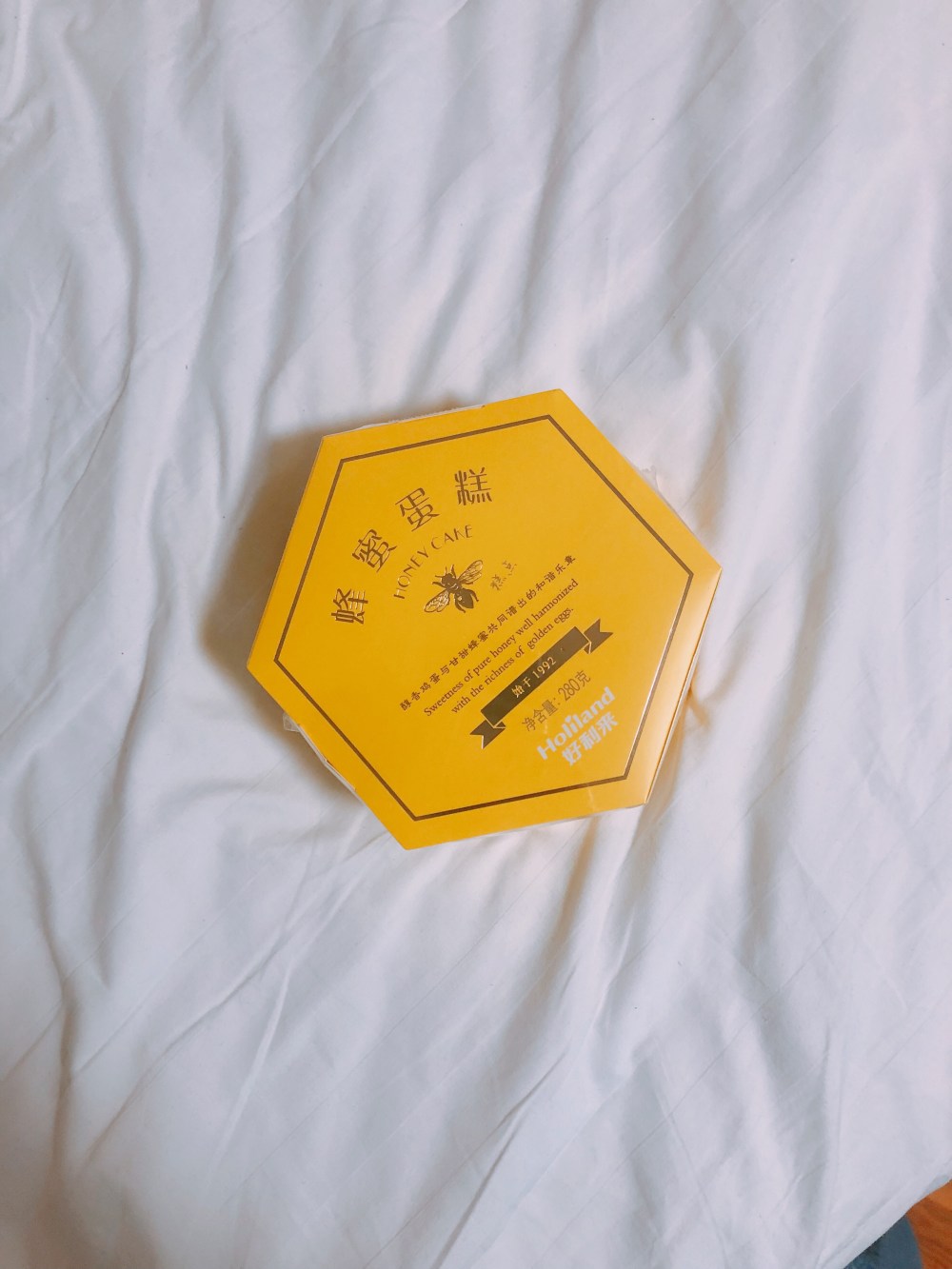
She also made time in her week to take me to the store a few times. We went to Wu Mart (物美 Wu Mei), a really popular convenience store-chain in China so that I could curb my sweet bread craving (my favorite kinds are the one with sweet cream/cheese and fruit in them, a must try if you ever come to China!). After, we went to one of her favorite fruit markets to buy some fresh fruit. We got giant green grapes and peaches! She also took me out on Thursday for an adventure; I’ve been waiting to buy a Chinese phone so that I can at least rely on one piece of technology. After class, we hopped on the bus (my first time riding the bus in China!) and went to a few markets to browse but found that it was cheaper on Taobao (Chinese equivalent of Amazon). Within about 20 hours, I was holding my brand-new Huawei phone! It’s a beautiful phone and best of all, it only cost me 1200 ¥ (~170 USD).
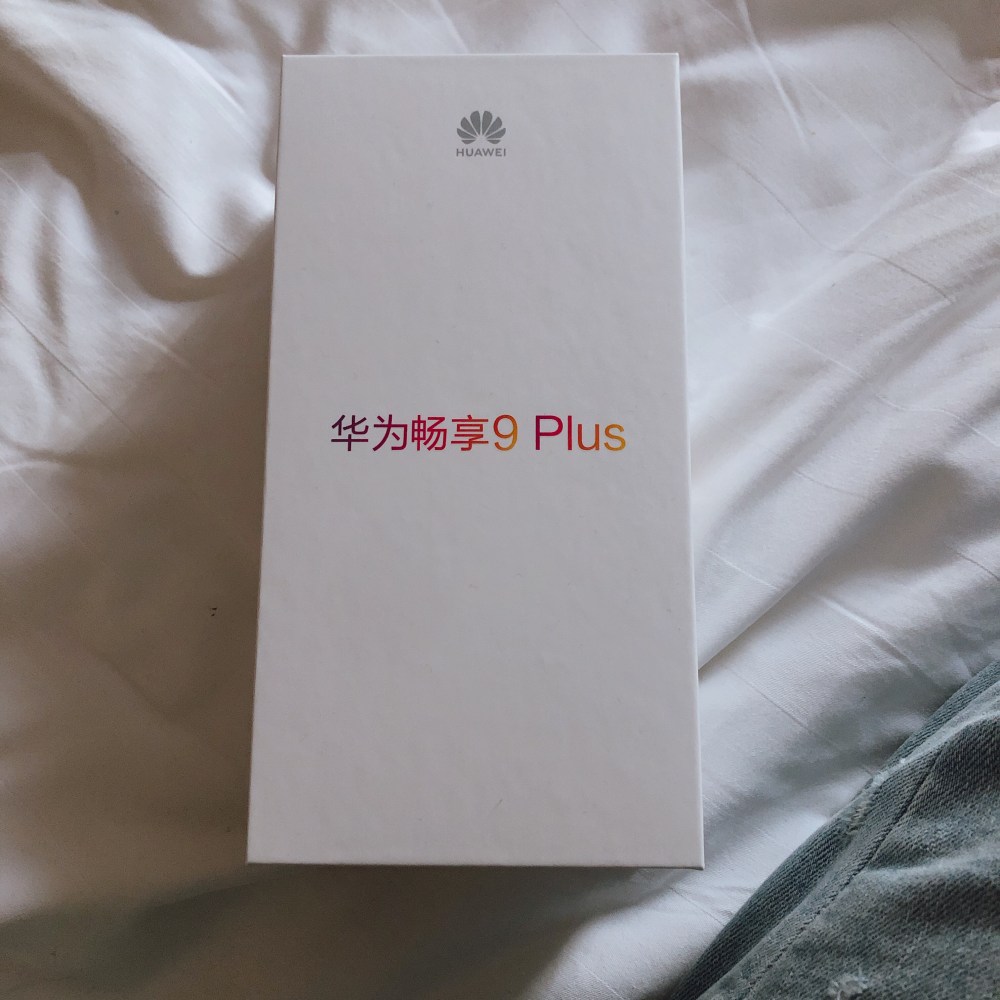
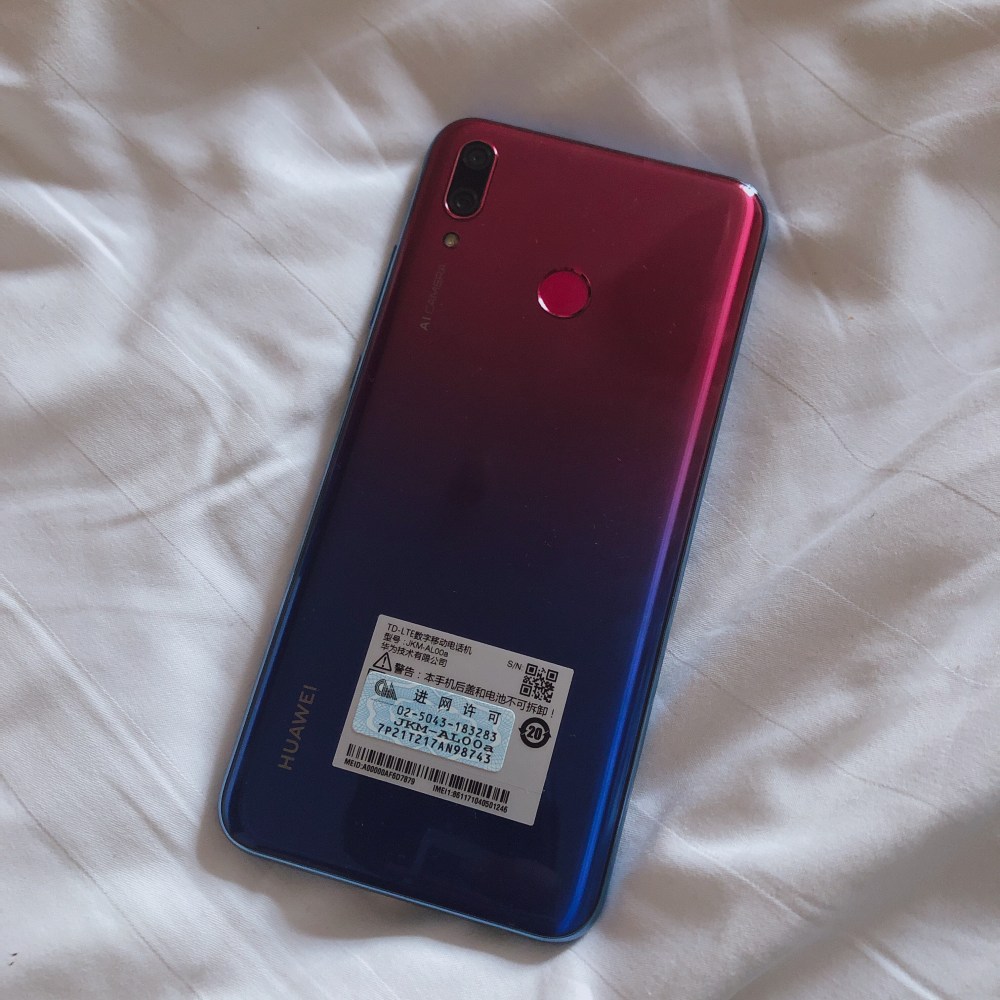
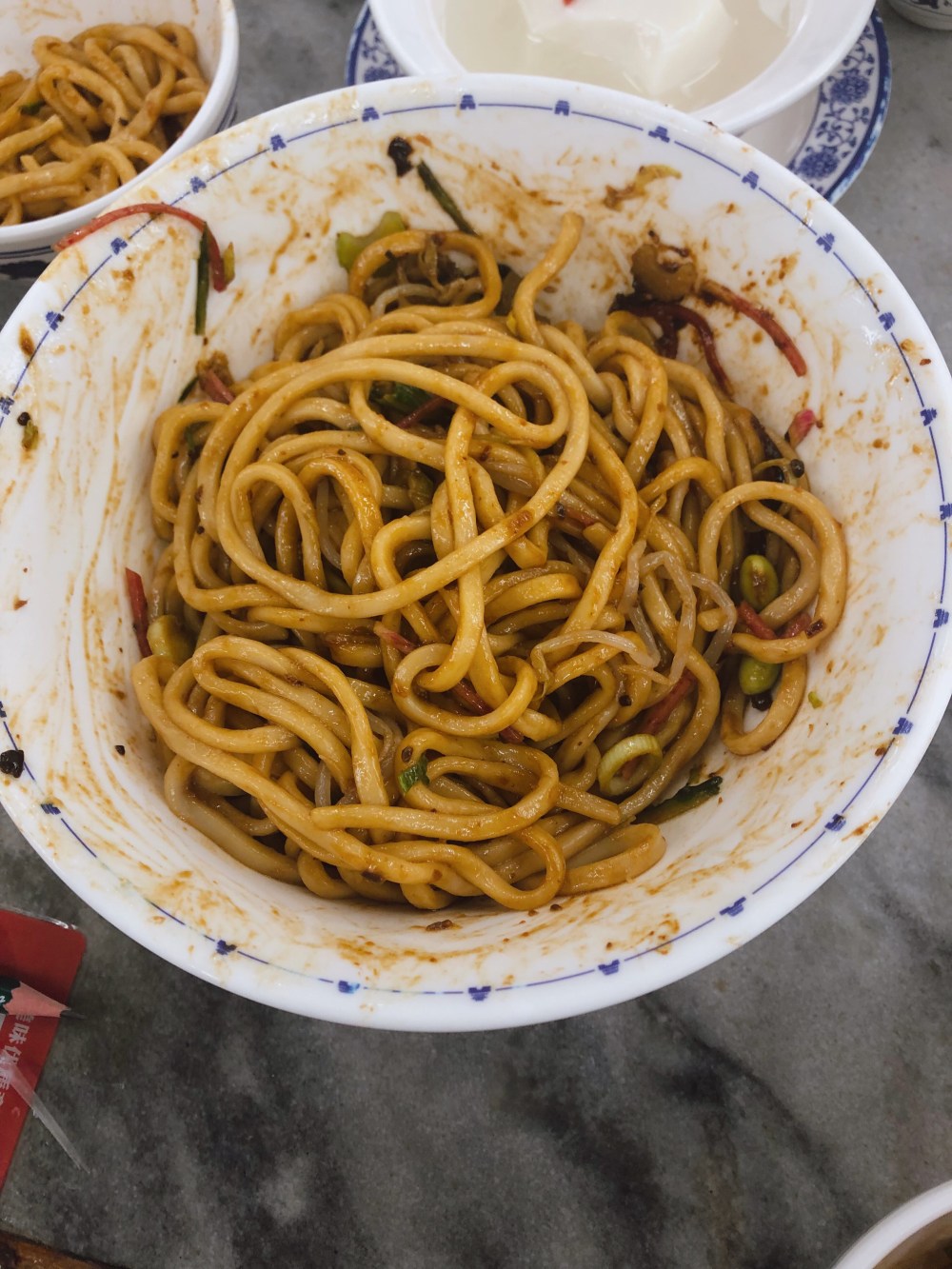
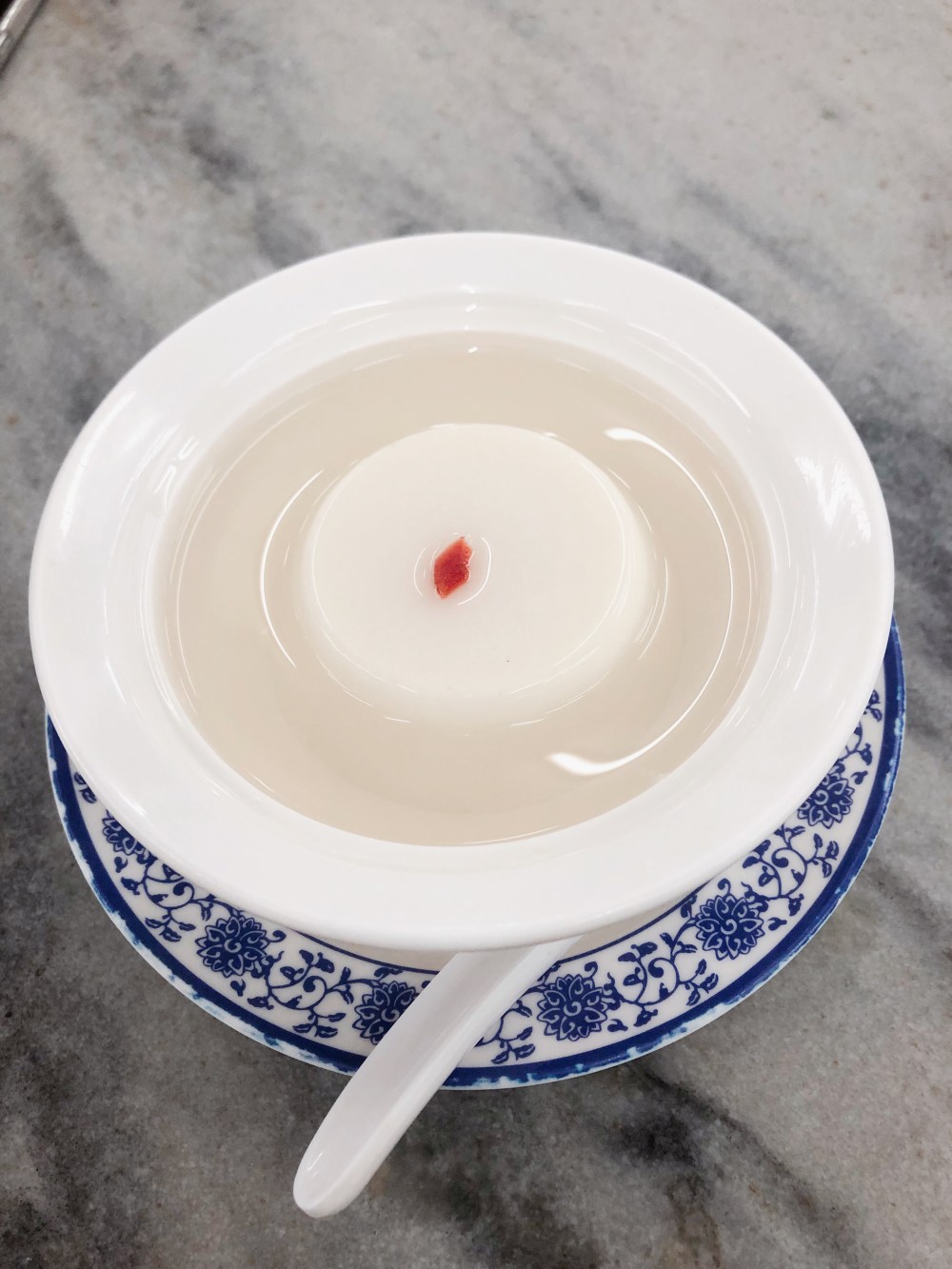
To make up for the trip to this side of town, we went to one of her favorite bakeries to buy, of course, sweet bread, and she introduced me to Chinese-style jajangmyeon, or cold black bean noodles (in Chinese, 炸酱面). It was delicious! We also split a small bowl of a sweet, chilled tofu soup (I honestly don’t know the name of the dish!).
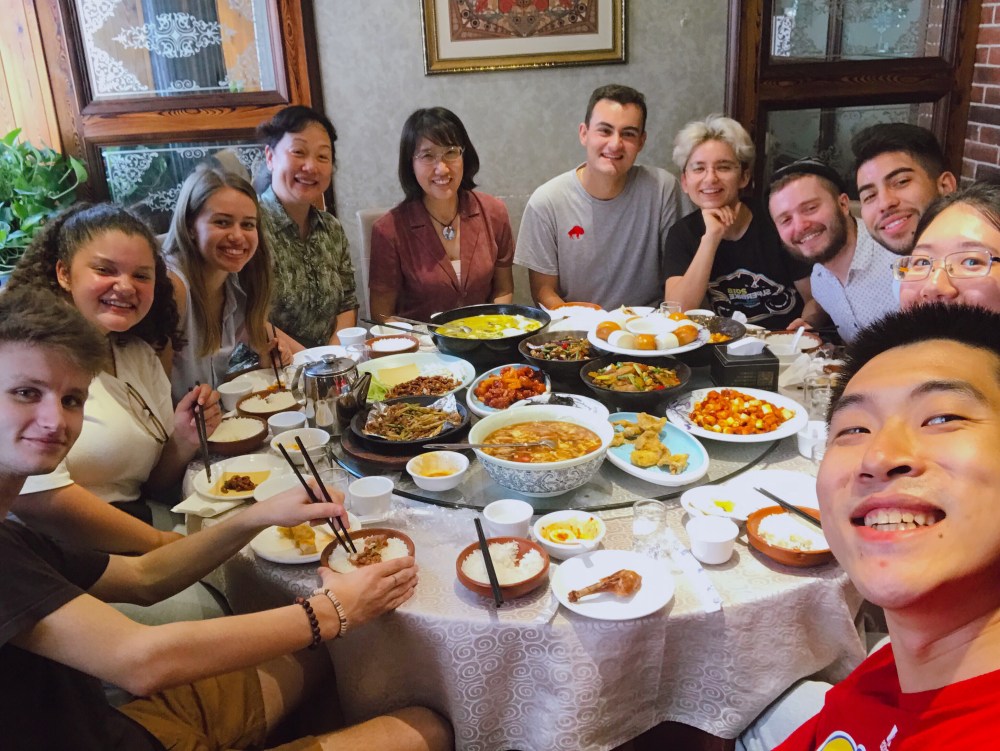
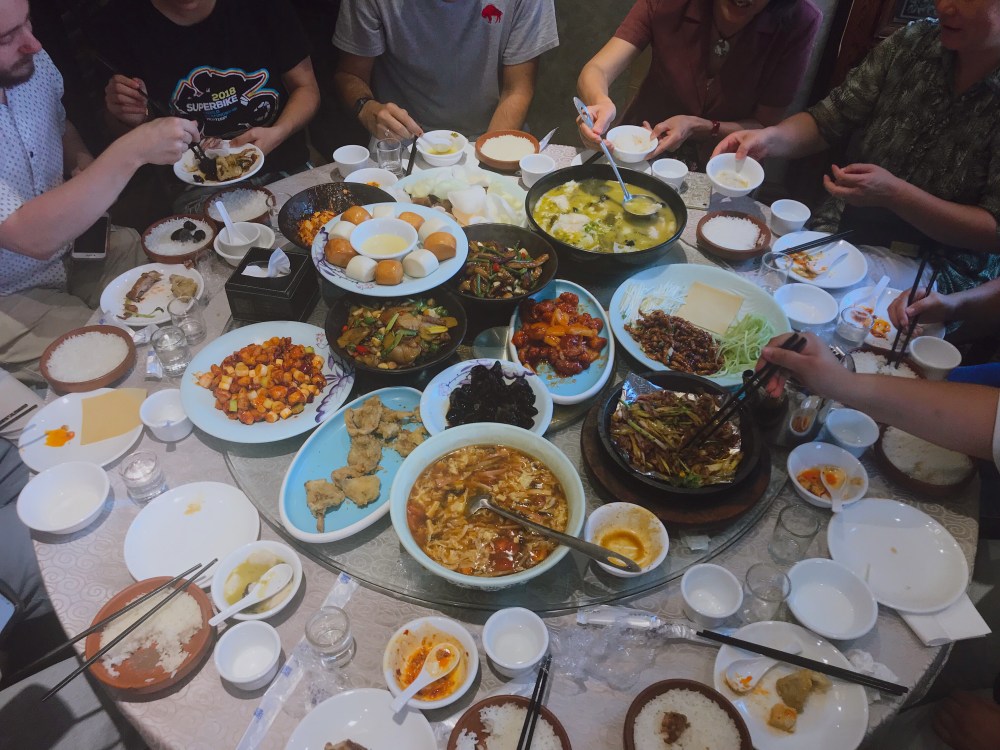
After a long day of test taking (周考 zhou kao, or end of the week test), all students are treated to a large lunch, called 中文桌子, or “Chinese Table.” We celebrate the end of another week and another test, and it’s a chance for us to practice Chinese with our program’s teachers. We enjoyed an array of food; one teacher was delighted at the dishes I suggested, as we shared some favorites! A great end to a tough week that keeps me looking forward to the next. Tomorrow, I’ll be traveling with some classmates to one of China’s distinguishing scenic spots, Summer Palace (颐和园 Yi He Yuan). Hopefully I can include some photos from the trip in my next blog if I survive the heat tomorrow (a high of 97 F!). That being said, 周末快乐!Happy weekend!
 travelingtresses.travel.blog
How fascinating! Thank you for making us part of this incredible journey!
LikeLiked by 1 person