
More than anything, I want my blogs to be transparent. I try to be 100% authentic in my writing and portray my feelings to my readers. Beyond being in and of itself a digital record of my experiences, I hope this blog can act as a resource for students considering studying abroad, whether that be in or outside of China or Beijing, through CET or not. That being said, this blog will definitely be one of my most raw blogs yet. I have a number of experiences from this week I am still trying to mentally unpack, so please bear with me.
It seems that no matter how much online research you do, how many materials you are given, how much you are lectured about culture shock and mental health abroad, you can never fully prepare yourself for the full impact of some things. It’s hard to move through the week when you are weighed down by experiences in and outside of the classroom; no matter how many times I remind myself I am still learning, it’s easy to beat myself up for mistakes I made while speaking Chinese. It’s also easy to let a particularly painful and difficult situation to prod its way into my schoolwork, my daily walk to class, my breakfast—it can consume your thoughts.
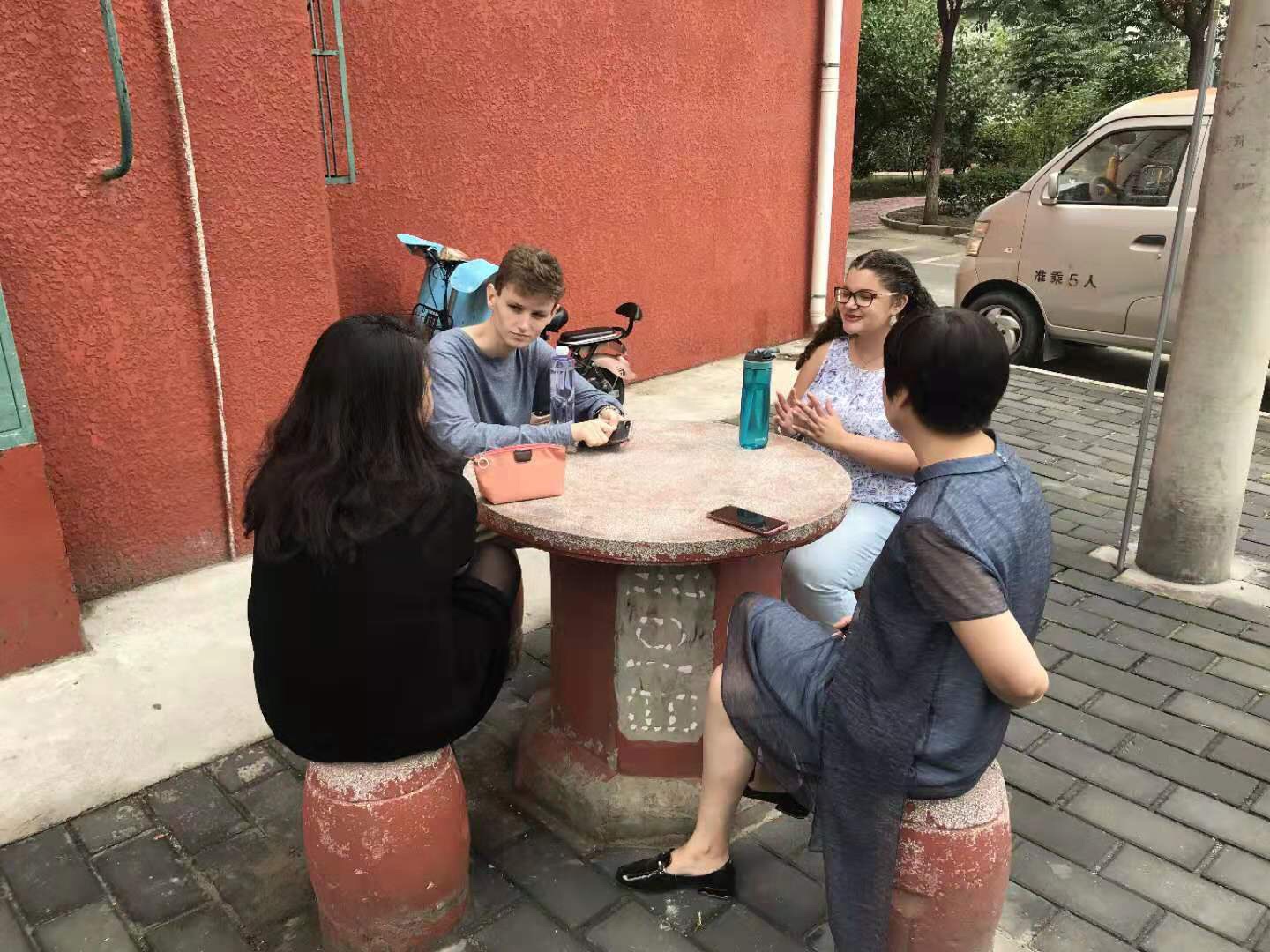
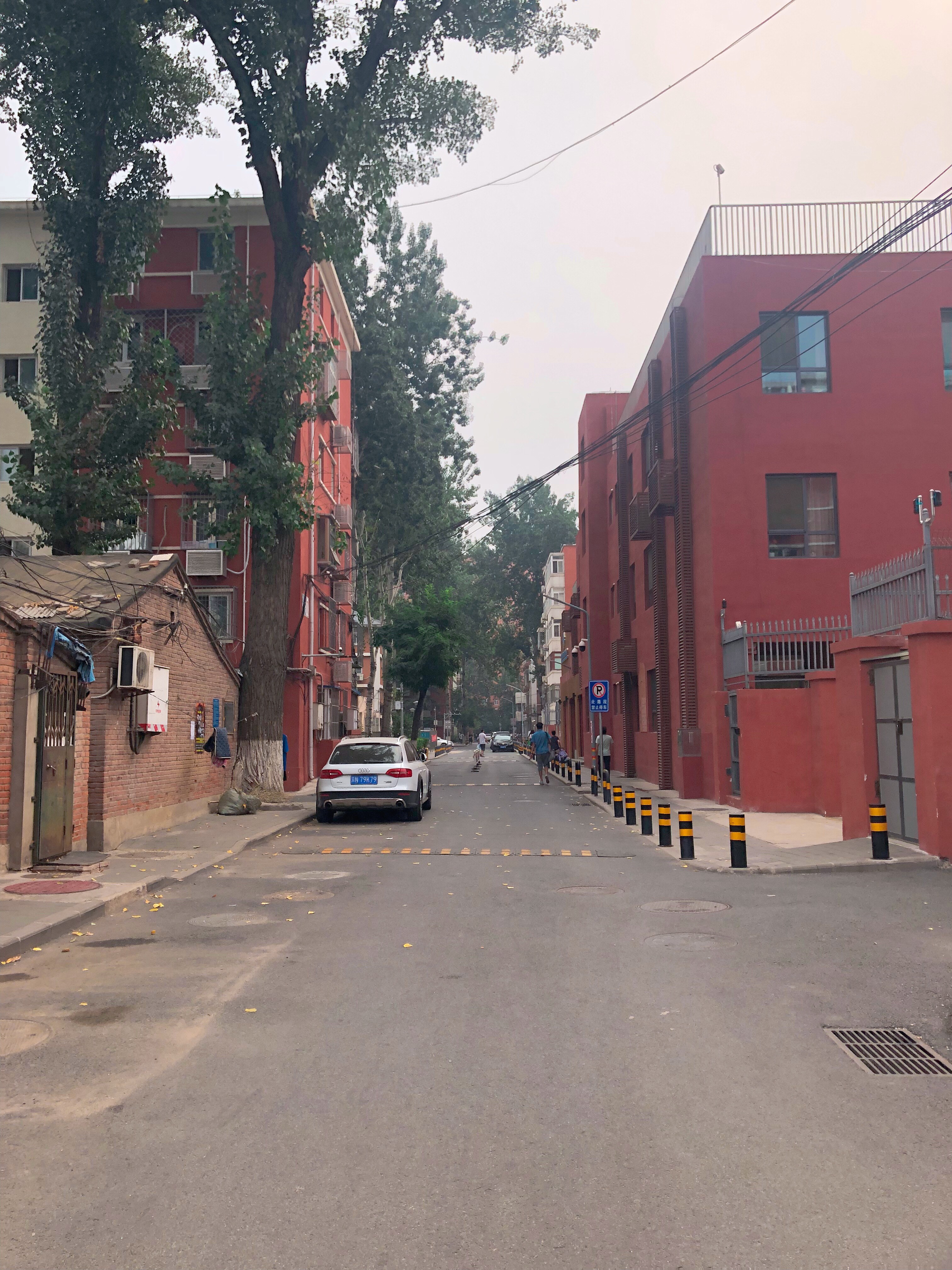
This past week was our Language Practicum week, in which we spend the first half of the week learning about a social issue in China, then the second half of the week we take to the streets of Beijing to learn first-hand about this issue. This week, our topic was aging in China. We studied the nursing home and retirement community system in China, what retirement looks like for elder folks in China, and the aging population issue that is spiraling each year. My classmates, our teacher, and I took the subway to a government-subsidized elderly living community about fifteen minutes from campus to interview Chinese elders about their later years. I was quite nervous before going, as I knew, to a certain extent, what to expect: accents that might not be intelligible to me, speaking too fast for me to understand, and a general unwillingness to want to talk with young foreigners. I was not allowed to say that I was from the United States, or even bring a piece of paper with the interview questions, seeing as either would raise suspicions.
A worker at the living community led us to a group of older women playing mahjong outside together. As we approached, they immediately up and backed away. The worker, my teacher, and us students all tried to explain to the women why we were there, that we weren’t reporters of any sort, and that we could speak Chinese. One woman was incredibly suspicious and said she wouldn’t take part. The other two woman were more open but were worried that neither of us would be able to understand each other, as they spoke a Chinese dialect. Thus, from the beginning, we were all a little dejected. However, the worker said not to worry, that she knew someone who lived in the complex who would probably be willing to talk to us. Not but a few minutes later, a man is being wheeled up to us with a happy look on his face. Our group of four students was split in two, and my partner and I were directed to begin talking with him.
He was very enthusiastic about talking with us, wanting to know when we got to China, how long we had studied Chinese, how long we would be in China, and how we liked Beijing. As soon as he asked us where we were from, I froze. I just said I was a foreign student, but he pressed for an answer. I looked at my teacher, not really knowing what to say. I wondered: would he believe me if I said somewhere in Europe? Does he really care, or does he just want to confirm that we aren’t American students? Do I even know how to say any other countries in Chinese? Thankfully, my classmate saved me and said we were from Germany. This seemed to please the old man much, immediately launching into a speech about the greatness of Germany. He couldn’t help but comment that Germans drink way too much beer, though, and it’s bad for “our” health. We couldn’t really get him to answer our questions—we would ask him something along the lines of his retirement and he’d give us a vague answer that yes, he is retired (duh). Instead, he incessantly asked us questions, had we been to x place in Beijing yet? Did we know the historical significance of that place? If he wasn’t boasting about China’s great sights and lengthy history, he was going on about Germans and all their beer. Eventually, he stepped off his soapbox to ask me “you married yet?” My teacher, classmate, and I all gave an awkward laugh and I told him no. Turns out he had the exact reason why I wasn’t married yet. He said: “You Germans drink so much beer, it’s not good for your health. If you stopped drinking so much beer, you’d slim down and then you’d find someone who would actually want to marry you.”
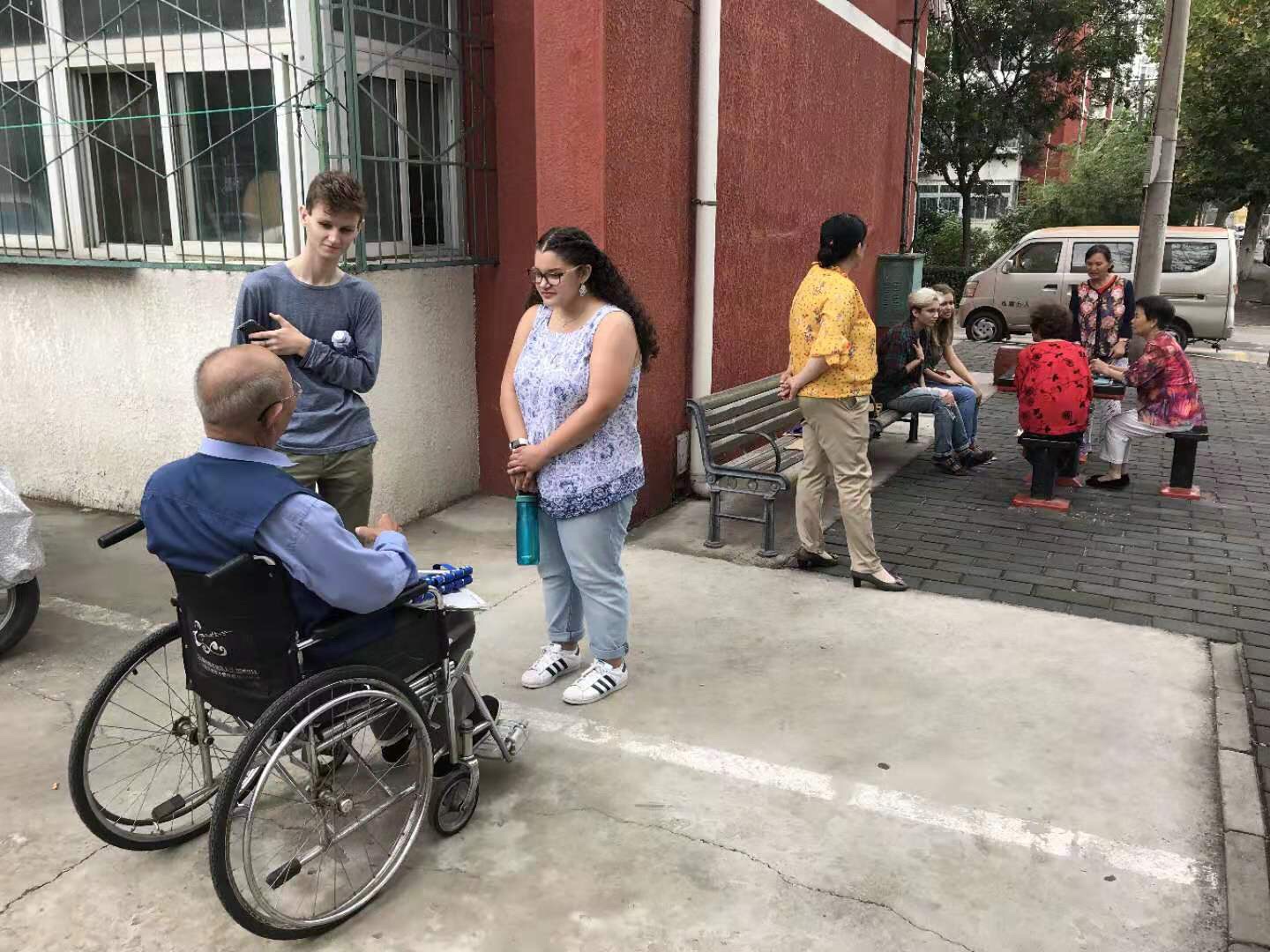
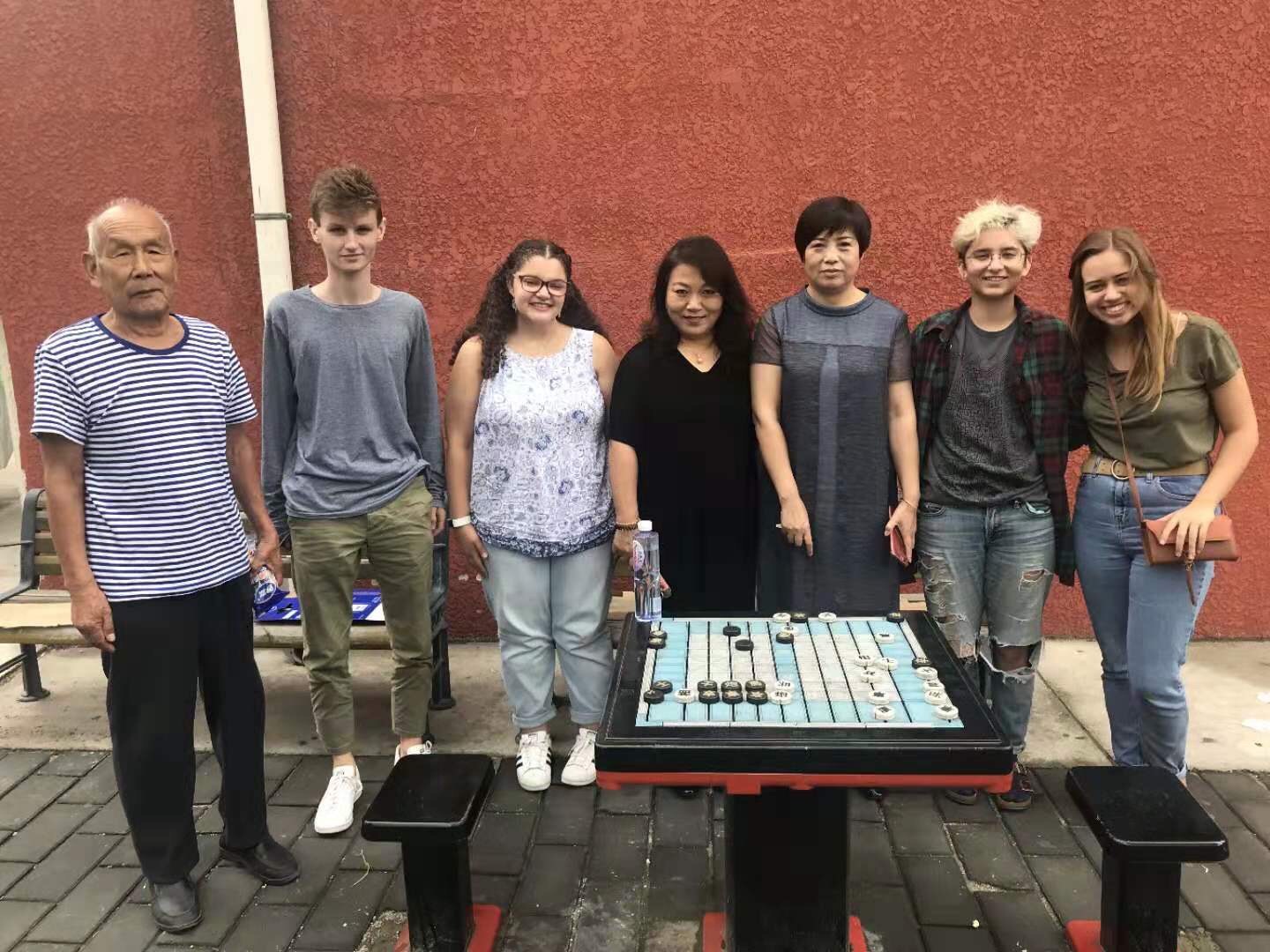
I didn’t really know how to respond. I kind of just nodded and began to show my disinterest in continuing to talk to him. I have yet to really process this—am I allowed to be upset by it? I ask myself this. Can it be excused since he’s an old man and this might not be considered rude here? I’m not sure. Another woman who sat around to listen to an interview with another woman made another comment about my weight, wondering how it could be that me and my classmate are from the same country, yet I was so fat, and he was so skinny. At that point, I was pretty much ready to leave, if I’m being completely honest. However, the worker who helped us find folks to talk to was very friendly and even let us interview her since we had a shortage of people who actually wanted to be interviewed, and rather had a surplus of people who wanted to stand and listen, stare. By the end of the day, we took a picture with her and another worker from the building and the worker referred to me as her “good friend,” who was “so pretty,” which made me feel a lot better.
I’m constantly confused by beauty standards in China. After I see someone not so discreetly snap a picture of me on the street, I wonder to myself: “Why did they take my picture? My hair? My weight? Or is it simply because I look different?” I’ve had a number of Chinese people be engrossed in my skin tone, hair. But in the same sentence they tell me that my skin tone is nice, they mention how much Chinese people dislike being dark. I’ve had a restaurant server tell me I’m really pretty and refer to me as “美女,” a great compliment in my book.
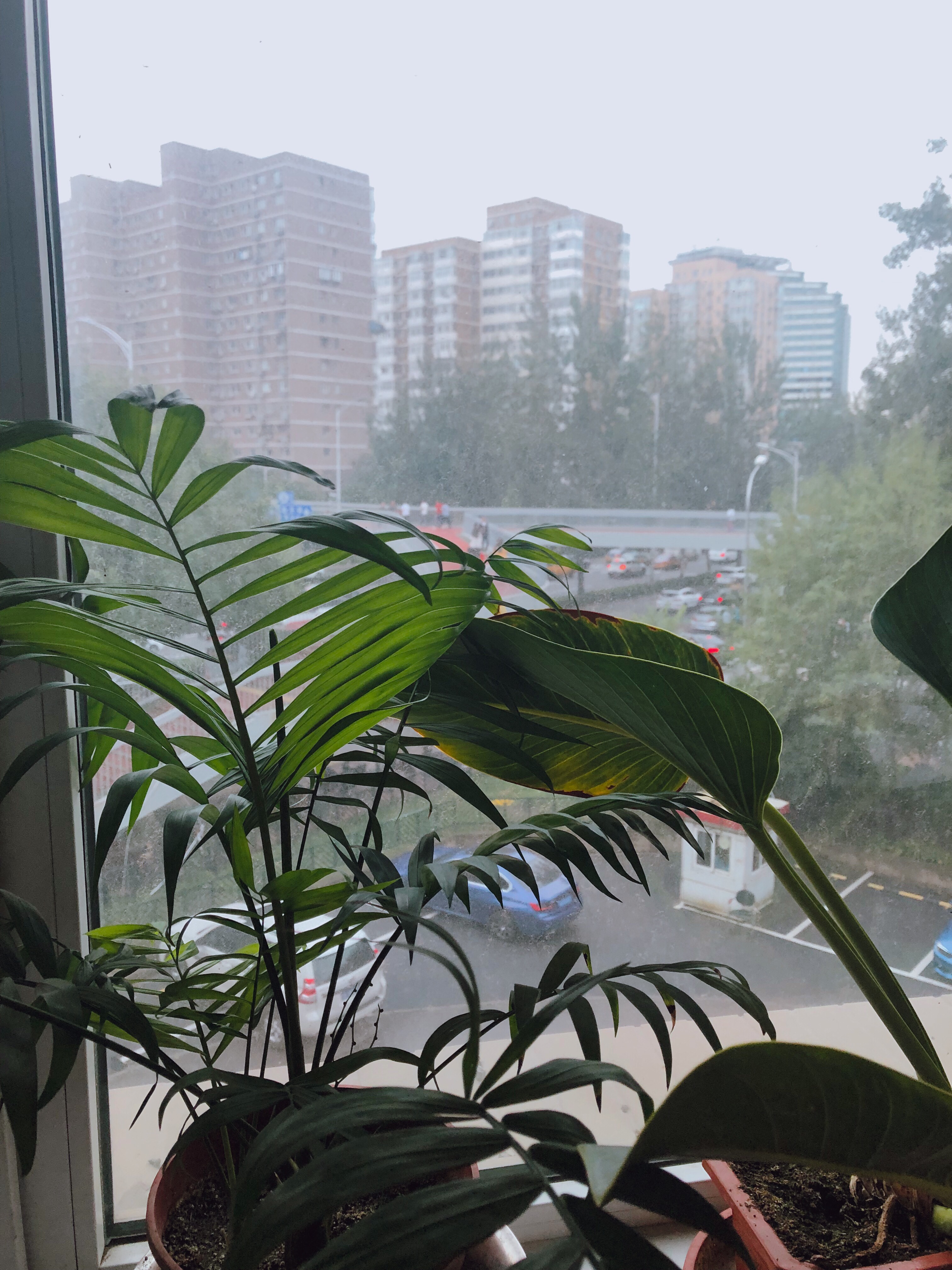
But after a storm comes the calm, right? It’s rained on and off all week in Beijing, the first bit of precipitation I’ve seen since I got here. I can’t say I missed the muggy heat of Michigan, but it’s a nice change from the bone-dry weather we’ve had every other day. After this week, I’ve reached my calm.
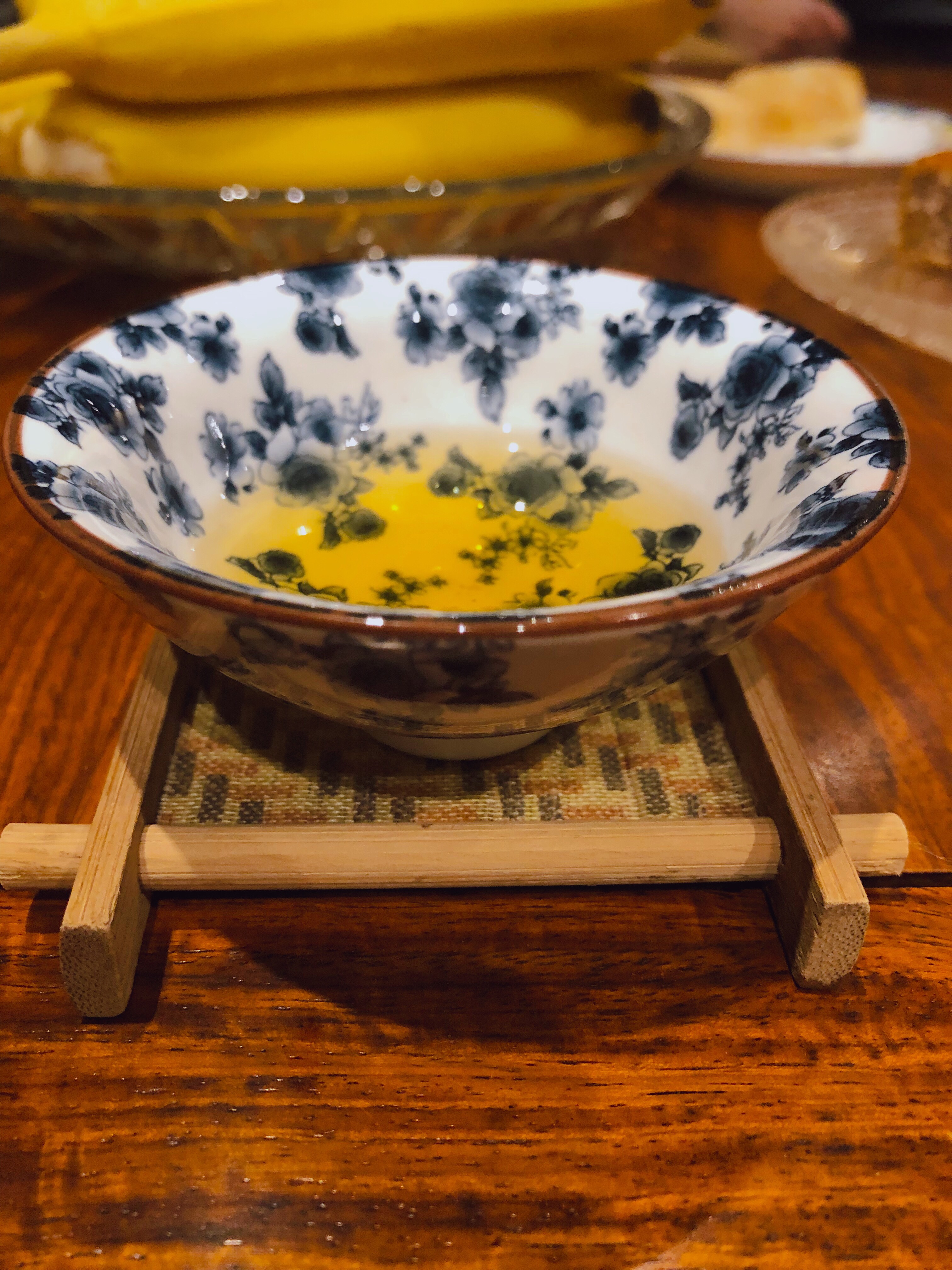
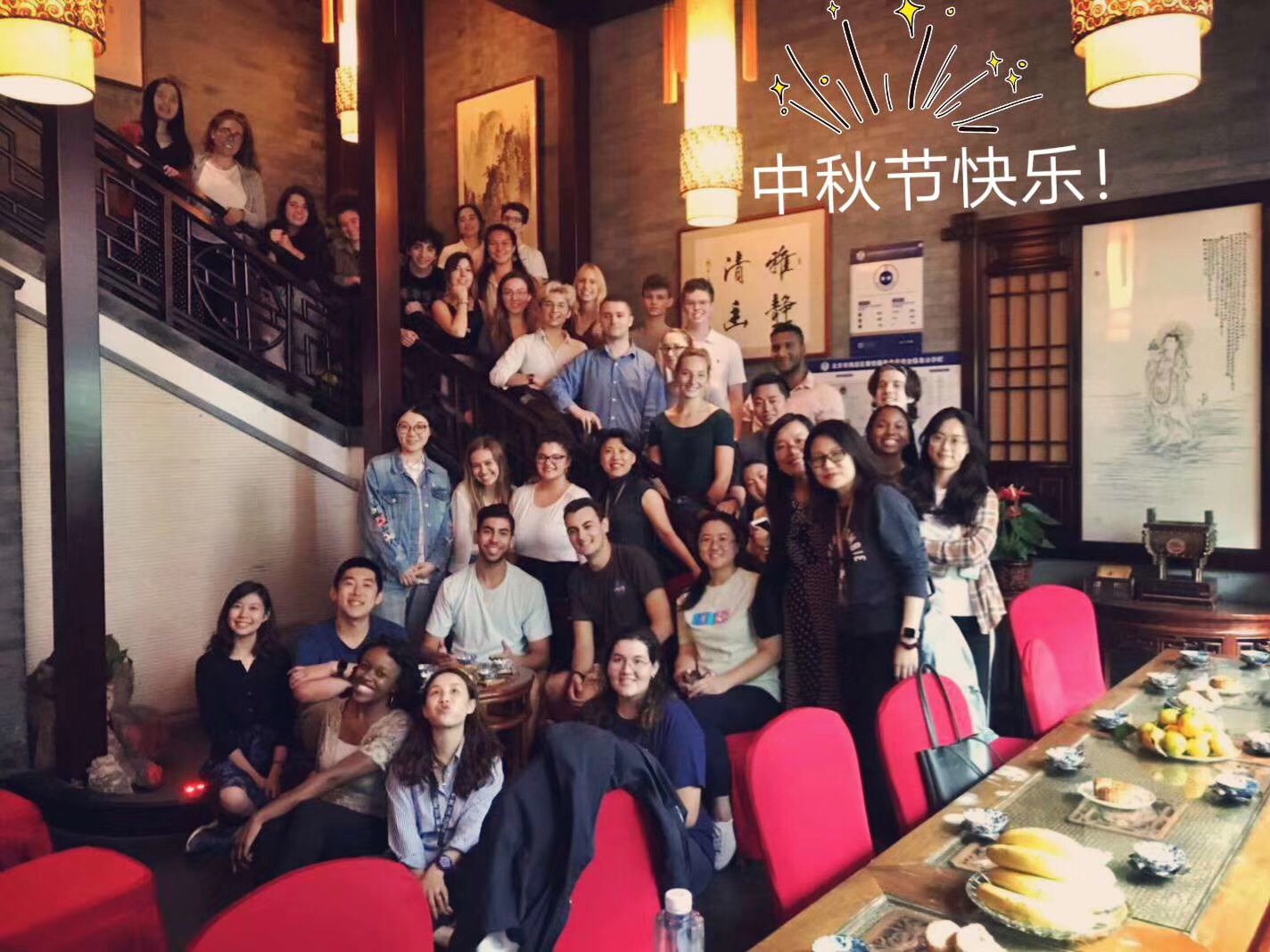
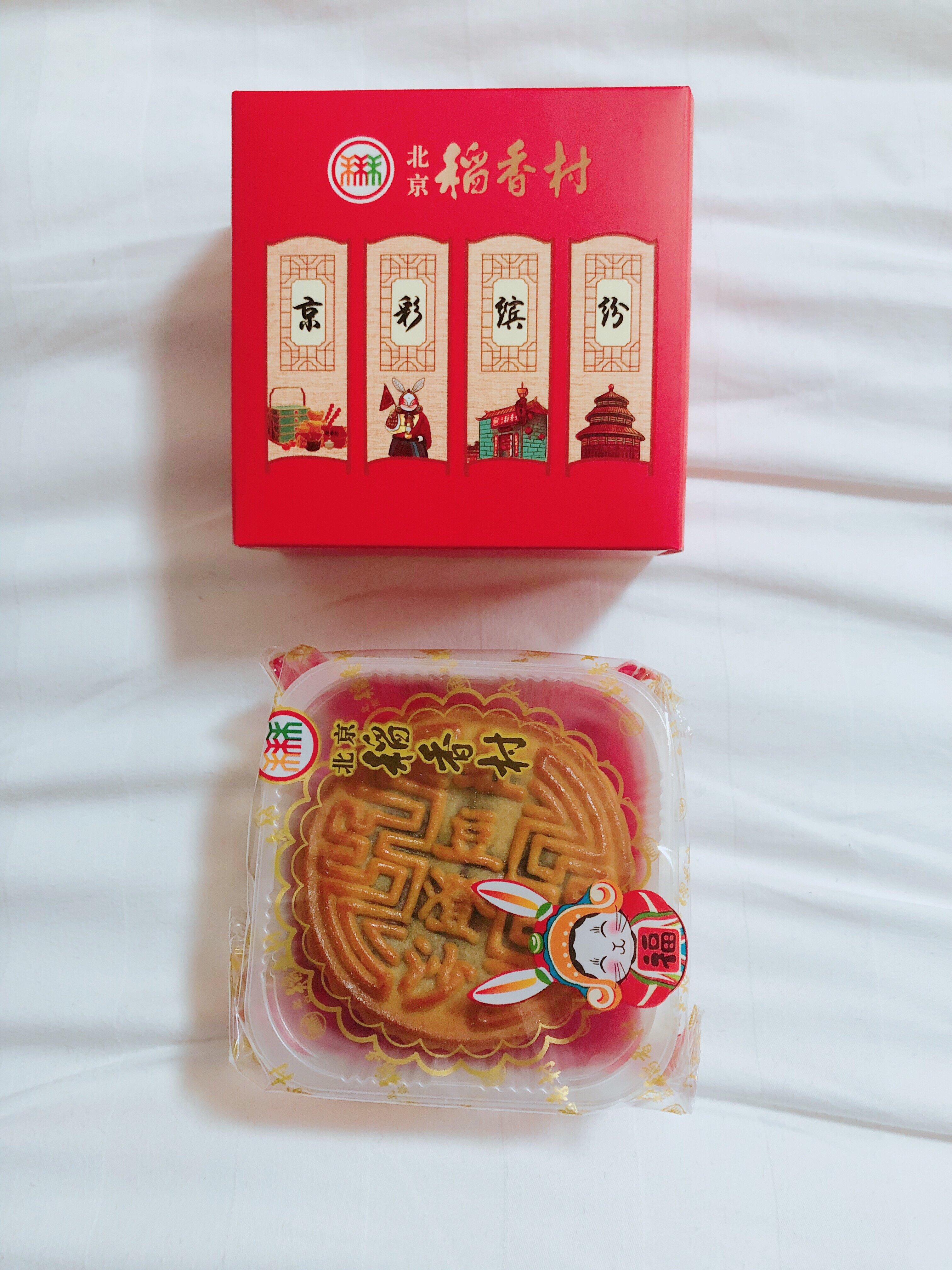
We had a short week (or long weekend, however you want to look at it) due to Friday being a national holiday in China. On Thursday, we celebrated early after classes got out. Friday was 中秋节, or Mid-Autumn Festival, a holiday characterized by reuniting with family (in Chinese, 团圆tuan yuan) and eating mooncakes (月饼yue bing). While none of us CET students can reunite with our family to celebrate, we consider ourselves a 大家庭 (da jiating), or one big family, so we found ways to celebrate together. After everyone’s weekly exams and presentations ended, we took a small break for lunch and resting (I definitely took a nap on the couch in our classroom building, haha). Then, we all took off together—CET staff, teachers, and students—to a nearby 茶馆 (cha guan), or teahouse, to try a dozen different kinds of handmade Chinese teas from all different parts of China. My personal favorites were the first few they served us, a sample of 绿茶 (lü cha), green teas. We also enjoyed some fresh fruit and mooncakes while chatting. The atmosphere of the teahouse was relaxing, and all the tea was delicious! I took (another) really good nap when we returned back to the dorm.
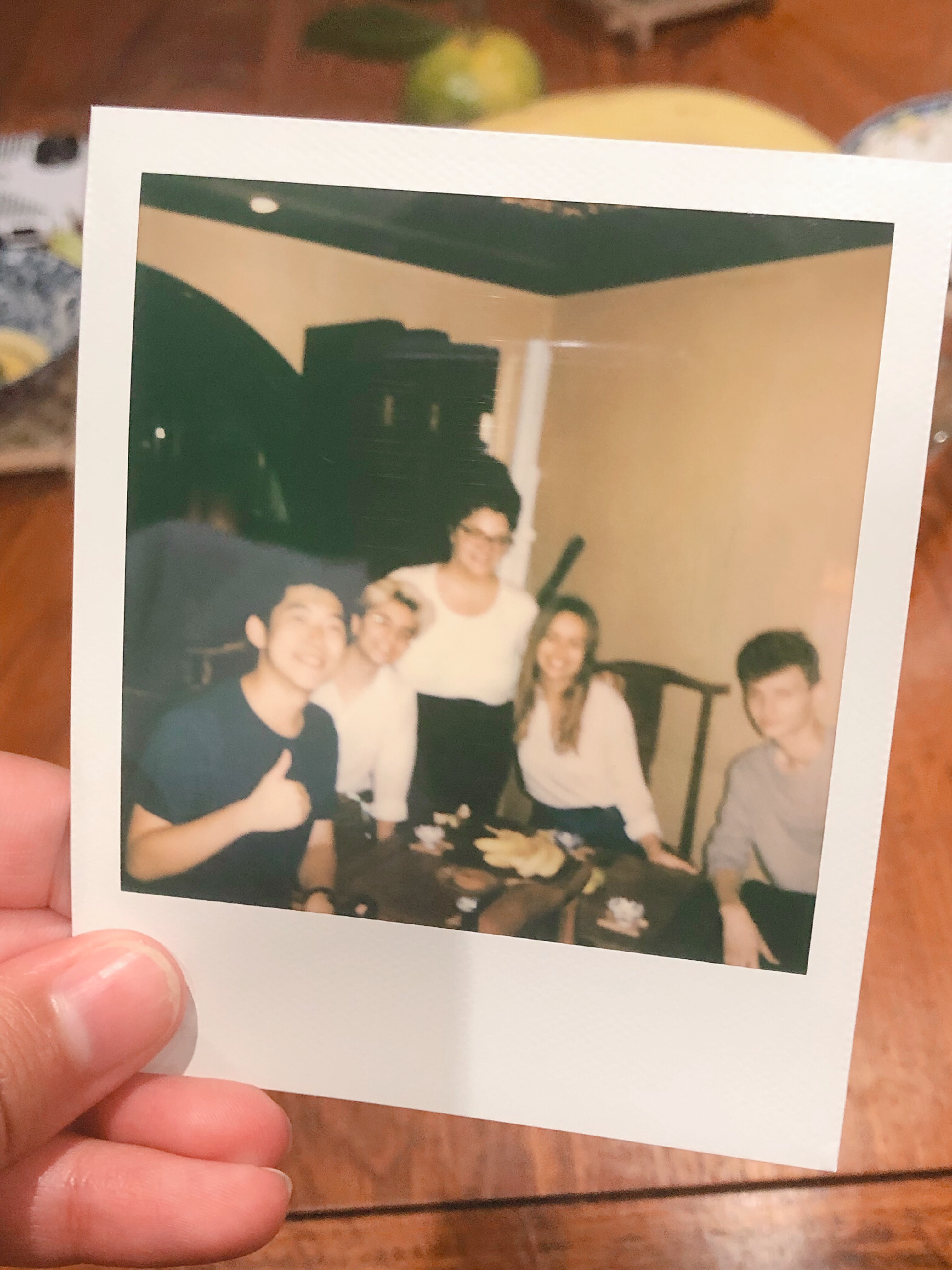
Our familial celebrations for Mid-Autumn Festival didn’t stop there. A bunch of us gathered in one of our classmates’ rooms to play games on Nintendo Switch and relax, laugh a bit. We had an early weekend, so we stayed up pretty late chatting and eating Chinese versions of American snacks. The following night, we met up together again for Friday the 13th and watched the horror movie “IT,” ate mooncakes, and played Uno pretty late into the night. The calm has blown away the storm.
I’d just like to say that for those reading, please don’t worry too much about me. I am equipped with a number of coping techniques for situations like this, both ones I know personally work for me (like spending time with my friends), and ones that I have been provided (like laughing it off). Trust me, I laughed it off well. On our way back to campus after finishing up our interviews, one of my classmates and I didn’t make it onto the subway train in time before the doors closed. We giggled as we waved goodbye to our teacher and our other classmates. Her and I discussed what the old folks had said to me then, and we both kind of just laughed it off together. It wouldn’t be honest if I said I’m not bothered by it anymore, but I think I just need more time to process it. In the meanwhile, I’m going to continue to eat and drink what I want here (including bread for breakfast and a large iced tea with my lunch).


 travelingtresses.travel.blog